

Breathwork offerings at Phoenix Integrative Health in collaboration with Breathwork Byron

• Small group facilitated breath repatterning (FBR) circles
• 1:1 FBR sessions with Dan Kurlapski
• Breathwork-assisted therapy
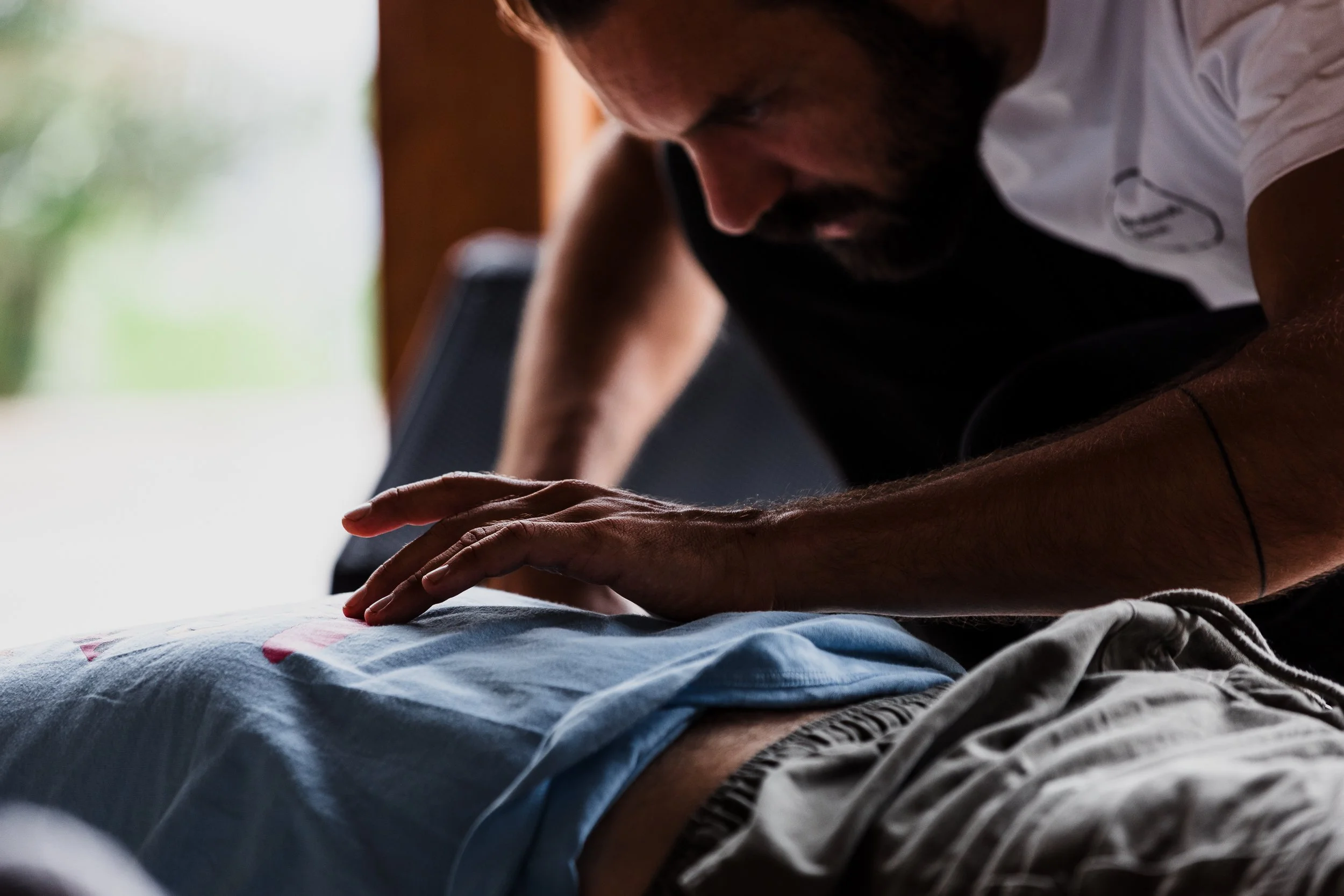
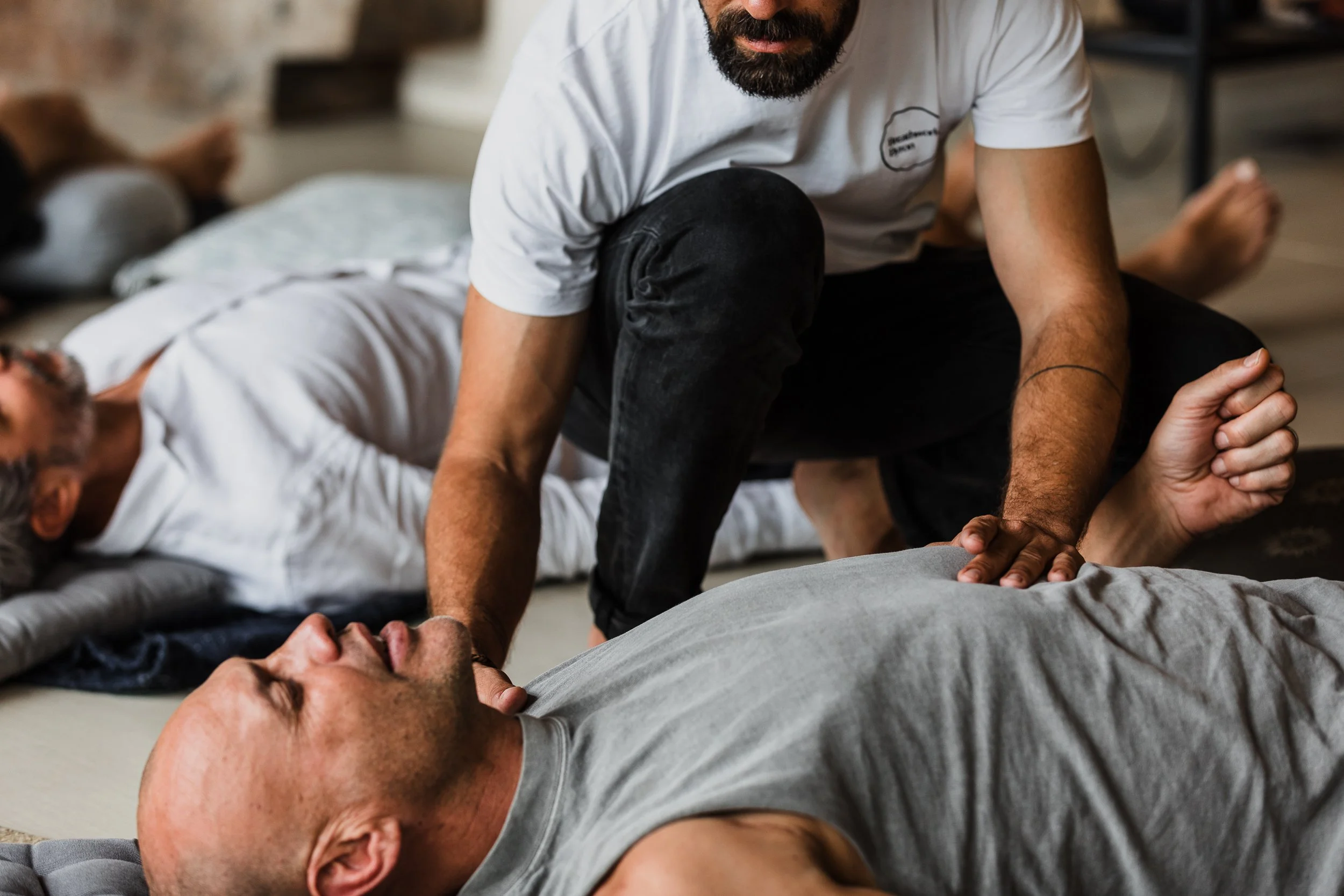
COLLABORATIVE THERAPY PROGRAM
This collaborative therapy program integrates clinical psychological support with facilitated breath re-patterning in a structured, trauma-informed framework. The program is grounded in the Inner Healing Intelligence (IHI) model—the understanding that the human mind and body possess an innate capacity to move toward healing, integration, and psychological growth when the right conditions are created.
Traditional psychotherapy primarily engages cognitive and verbal processes, whereas breathwork engages somatic and experiential processes.
This collaborative therapeutic approach allows clients to access both:
• Top-down processing: reflection, insight, formulation, and cognitive integration guided by the psychologist.
• Bottom-up processing: nervous system regulation, emotional and somatic processing that can emerge during breathwork.
Combining these approaches can support deeper therapeutic change, as insights gained in experiential states can be contextualised, stabilised, and integrated psychologically.
THEORETICAL BASIS AND THE INNER HEALING INTELLIGENCE MODEL
Inner Healing Intelligence refers to the individual’s natural self-organising process that moves psychological and emotional material toward awareness, resolution, and integration under the right therapeutic conditions. When individuals enter expanded or deeply embodied states—through practices such as breathwork—this process can become more accessible.
Rather than directing or interpreting the experience, facilitators support a process in which the client’s own psyche determines what material emerges and how it unfolds. This approach respects the individual’s internal wisdom and promotes organic therapeutic change.
Similar ideas have been described in transpersonal psychology and experiential therapeutic traditions, particularly in the work of Stanislav Grof, who observed that non-ordinary states of consciousness can facilitate the emergence and resolution of emotionally salient material.
The program is also informed by contemporary trauma and somatic psychology, which recognise that many psychological experiences are encoded not only cognitively but also physiologically. Researchers such as Bessel van der Kolk and Peter Levine have emphasised the importance of embodied awareness and bottom-up processing in the resolution of trauma and emotional distress.
Facilitated breathwork can support access to deeply embodied states in which emotional, sensory, or symbolic material may emerge. Within a structured therapeutic setting, these experiences can be processed through reflection, integration, and meaning-making with the support of a facilitator/therapist.
The program integrates experiential, somatic, and psychological approaches, aiming to support nervous system regulation, emotional processing, self-awareness, and psychological integration within a safe and professionally guided framework.